


Description
Features
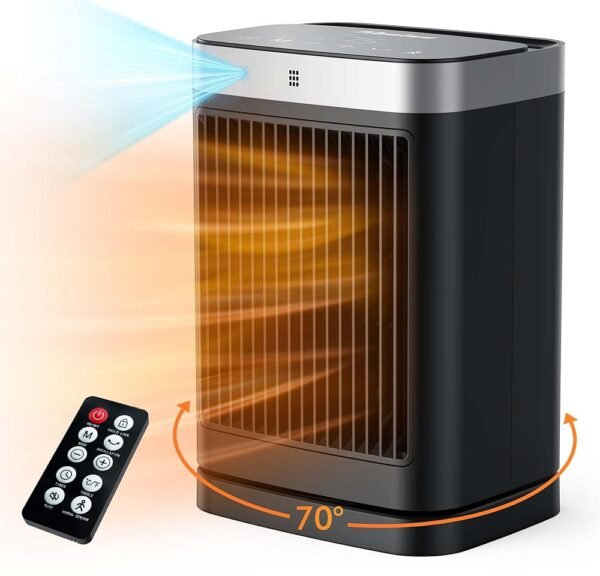
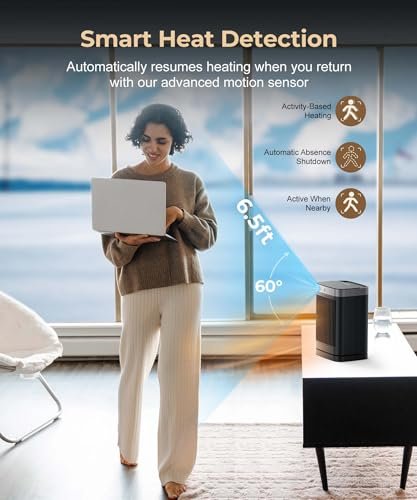
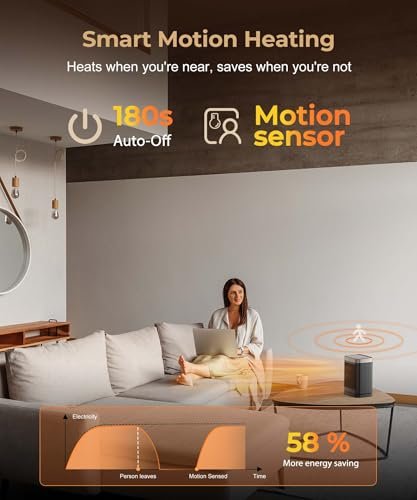
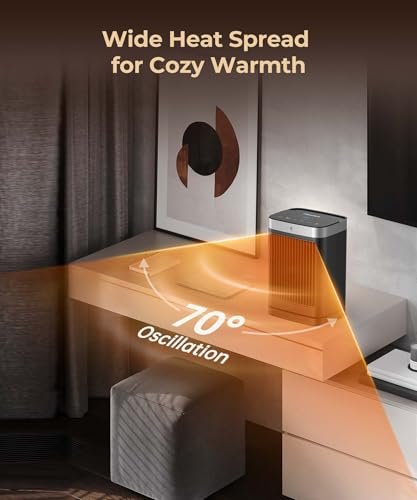
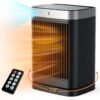
This 1500W ceramic heater leads with a motion sensor, which is a genuinely uncommon feature at this price. The sensor detects presence and adjusts output accordingly, which addresses the most wasteful habit in space heater ownership: leaving a unit running in an empty room. The 70° oscillation spreads heat across a living room or bedroom rather than aiming it at one seat, and the digital thermostat is accurate enough to set once and leave alone. A remote control ships in the box, which is the feature buyers most often find missing in this bracket.
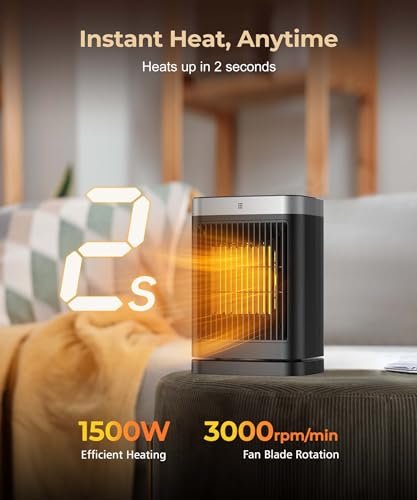
Safety hardware includes a child lock and overheat protection, a combination that matters in a household with children old enough to reach the panel. Warm up is fast, with the published figures putting a small bathroom at a comfortable level in under five minutes, which is consistent with how PTC ceramic elements behave. That range of specification makes the unit workable across home offices, bedrooms and bathrooms rather than tying it to one room.
Usability
Daily operation is straightforward. The controls are logically arranged and the digital display is legible enough to be read across a room, which owner feedback consistently notes as usable by buyers uncomfortable with electronics. Switching modes and adjusting the thermostat are single button operations. Portability is the other practical strength: the low weight and compact cabinet mean the unit can move from an office during working hours to a living room in the evening without effort.
One recurring quirk shows up in owner reports. The buttons occasionally stick and need a second press to register. It is not a functional failure and it does not appear to worsen with use, but it is a build quality note worth knowing about on a panel used daily.
Performance
Output matches the rating closely. In a medium room of roughly 200 square feet the unit brings the temperature up within minutes, and the ceramic element paired with oscillation distributes that heat evenly rather than leaving a hot zone in front of the outlet. The thermostat holds a set point accurately, cutting the element once the room reaches target and restarting as it drifts, which is what keeps a room comfortable rather than swinging between stuffy and cold.
The motion sensor performs as described. Leaving the room causes the unit to reduce output rather than continue at full draw, and that is the specification most likely to show up on an electricity bill across a season. Noise is also low enough that the heater is barely audible in a silent office. A comparable Abolee unit is covered in our Abolee HP1503R review.
Design
The design balances practicality against appearance better than most units at this price. The black tower cabinet suits a modern bedroom or study and sits discreetly in a corner rather than announcing itself as an appliance. Compact dimensions of 7″D x 5″W x 10″H mean it claims very little floor space, which matters most in exactly the small rooms this output level suits.
The one design caveat is thermal. The exterior warms noticeably during extended running. It does not reach a dangerous temperature, but it is worth factoring into placement in a home with curious pets or small children who may touch it.
Advantages
Strong Points
- Energy saving motion sensor is genuinely efficient.
- Compact and easy to move between rooms.
- Quiet operation suits bedrooms or offices.
- Digital thermostat ensures precise temperature control.
Maintenance
Upkeep is simple. The rear air inlet is accessible and easy to clear, which keeps dust from restricting airflow over time, and a weekly wipe covers the whole routine. Restricted intake is the most common cause of falling output on compact ceramic units, so that one task is worth doing on a schedule. Build quality holds up in owner reports covering more than a month of daily use, with no reported wear on the cabinet or the element.
The remote control is the weaker component. Several owners report it needing a second press to register, and battery replacement does not resolve it, which points to the remote itself rather than to power. It is a minor irritation on an otherwise solid unit.
Safety
Safety specification is comprehensive. Overheat protection shuts the element down when internal temperature climbs past the design limit during long runs at high setting. The child lock disables the panel, which is a feature many buyers do not think about until a child starts pressing buttons, and it is genuinely useful on a heater left running in a family room.
Tip over protection is the third layer, cutting power as soon as the cabinet leaves vertical rather than after a delay. On an uneven surface that responsiveness is what makes the difference. Together these make the unit a reasonable choice for households with pets or toddlers.
Noise
Quiet running is one of the strongest qualities on this listing. Even at the highest setting the noise floor stays low enough that television and phone calls are unaffected, which places it well clear of the budget fan heaters that whine at full output. That makes it a reasonable candidate for overnight bedroom use. Buyers comparing on acoustics alone should also look at the JRD HP1506R.
Product Rivals
Across the electric space heater category this unit holds up well against the established names. The motion sensor is absent from most rivals, which gives it a real efficiency advantage. The Lasko 755320 ceramic tower keeps a cooler exterior, which is the one area where it clearly wins. The Honeywell HCE840B HeatGenius offers more temperature settings but runs noticeably louder.
For a buyer who wants something compact and efficient, this heater is a strong candidate. It is not flawless, with sticky buttons and a finicky remote as the documented quirks, but it outperforms many alternatives on safety hardware, usability and the sensor feature that none of them carry.
Cost Efficiency
On cost efficiency this heater makes a sound case. It carries features usually found a tier higher, notably the motion sensor and the digital thermostat, and both have a measurable effect on running cost rather than being specification for its own sake. It is not the cheapest option available, but the combination of output, safety hardware and energy saving behavior justifies the difference for anyone wanting a dependable, efficient single room heater.