


Description
Exceptional Design and Build Quality
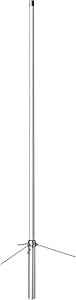
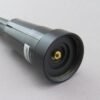
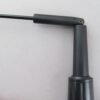
The Comet CA-2X4SRNMO Mobile VHF/UHF Vertical Antenna is built to a noticeably higher standard than budget mobile whips. Its 40-inch height and slim profile make it both unobtrusive and highly functional, especially for vehicle installations. The radiator is light without feeling fragile, and the construction has no flimsy joints, which is what determines survival on a vehicle exposed to weather at highway speed. The NMO mount is the other key specification, since it is the industry standard for a sealed, low-loss, roof-through installation that stays put.
Performance That Stands Out
Performance is where this antenna earns its rating. It is engineered for dual-band VHF/UHF communications, operating across 144/440 MHz. The published high gain figures are the reason it improves both transmit and receive over a shorter quarter-wave whip, which matters most in rural areas or anywhere repeater coverage is thin. In urban settings the gain pattern is tuned low to the horizon, which helps in congested RF environments. Support for ham devices, land mobile, and FRS frequencies widens the use case considerably, and band changes need no retuning.
Key Benefits
- Dual-band compatibility allows smooth operation on both VHF and UHF frequencies.
- The NMO mount offers a secure, easy-to-install option for vehicles.
- Lightweight yet durable design ensures longevity.
- High gain performance improves signal quality, even in challenging environments.
Areas for Improvement
While the antenna performs well, there are a few less favorable aspects to consider.
- The 40-inch length might not suit everyone, especially if you’re concerned about height restrictions for vehicle-mounted antennas.
- It is not foldable, which means removing it for storage or low clearances can be a bit inconvenient.
- Some users might find the NMO mount a bit tricky to install without prior experience or proper tools.
Ease of Installation and Use
Installation is straightforward given the NMO mount system, though the right tools are needed for a properly sealed, tight fit. Once mounted, operation needs no attention. Compatibility spans Yaesu, Icom and Kenwood radios, since the antenna presents a standard 50 ohm load rather than anything brand-specific. That makes it a sensible first upgrade for newcomers to the hobby. Buyers who cannot drill a roof hole should look at a mirror-mount design such as the Stryker SR-A10.
Other Options in the Market
Against its market rivals, this antenna leads on performance and durability, though competitors offer features worth weighing. Antennas like the Diamond NR770 are slightly more compact, which suits buyers prioritising clearance, and the base-station Diamond X30A covers the same bands from a fixed mast. The Tram 1185 is cheaper, as is the Tram 1481, though neither matches the gain figures of the Comet CA-2X4SRNMO. Motorised HF options such as the Yaesu ATAS-120A serve a different purpose entirely. The Comet antenna’s broader frequency range and rugged build make it the stronger pick where reliability and versatility matter.
Cost Efficiency and Value
Considering the features and published performance, this antenna offers strong value for money. It is not the cheapest option available, but the combination of high gain, dual-band capability, and durable design justifies the price. For anyone who wants consistent performance without replacing hardware every couple of seasons, it is a sound buy. Cheaper alternatives generally compromise on build quality or gain, which is not the case here.
Final Thoughts on Overall Functionality
On specification and owner ratings alike, this is a solid choice for a reliable VHF/UHF communication solution. Whether the user is a ham radio enthusiast, a search-and-rescue volunteer, or someone who simply needs dependable mobile communications, the advantages are clear, and it ranks near the top of the radio antennas we track. The shortcomings are real but minor against its overall performance and durability.